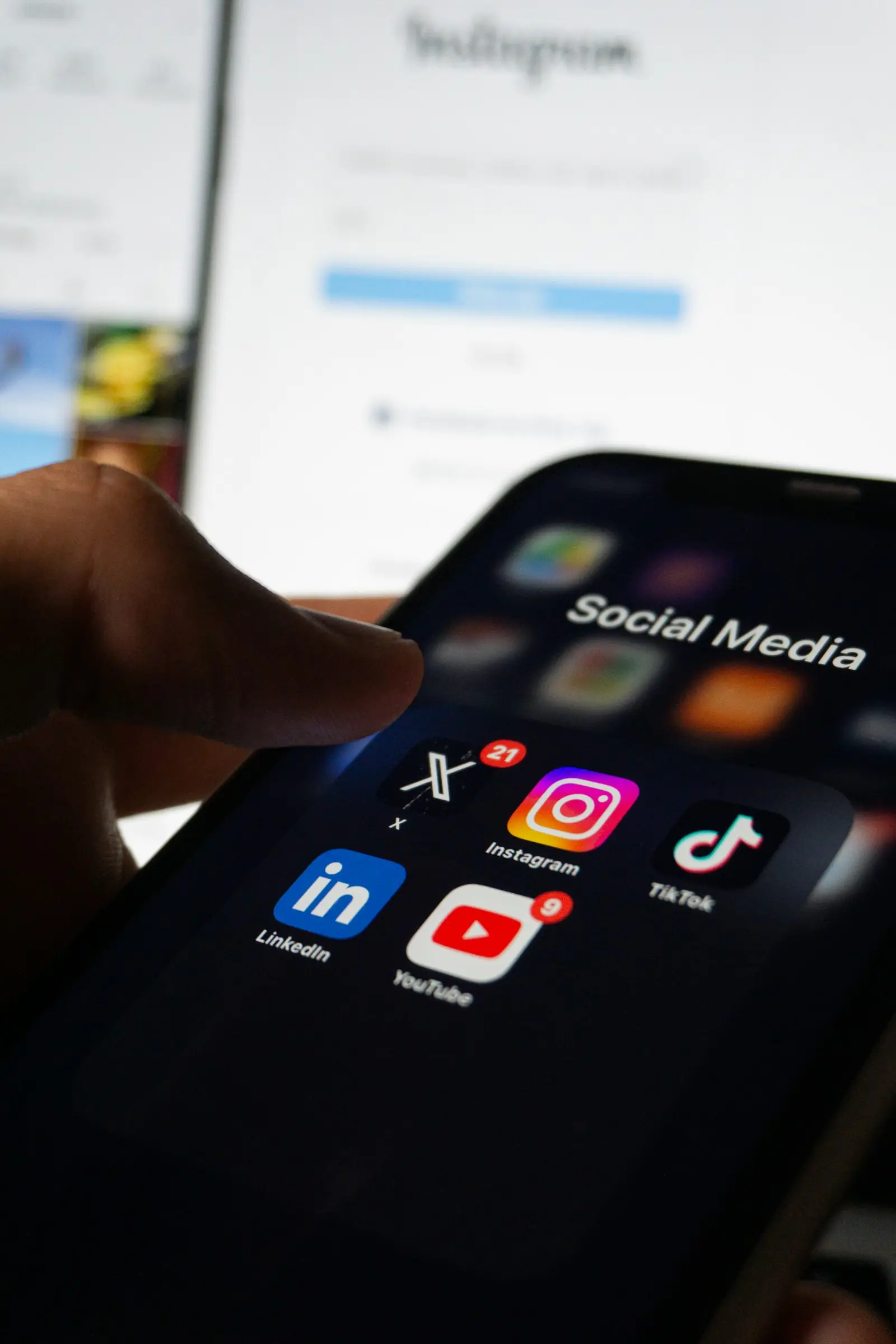
In September Instagram made a small but meaningful change: the “AI Creator” wording used for accounts featuring AI-generated people was replaced with a new label meaning “AI-generated profile”. The platform is reported to be limiting the reach of similar accounts that don't use the label. In short, Instagram is saying openly that it cares whether people know what is real and what is generated.
The background is familiar. Over the past two years feeds have filled with flawless faces, impossible places and glossy product images produced in seconds. It was impressive at first, but after a while it all started to look the same. And people now ask a question as they scroll, often without noticing: is this real?
That question has a commercial side too. When buying a product, people want to see how it really looks, its texture and how it sits in a real setting. An image that is too perfect can pull expectations away from reality, and a customer who finds the product in their hands different from the picture approaches that brand more cautiously next time.

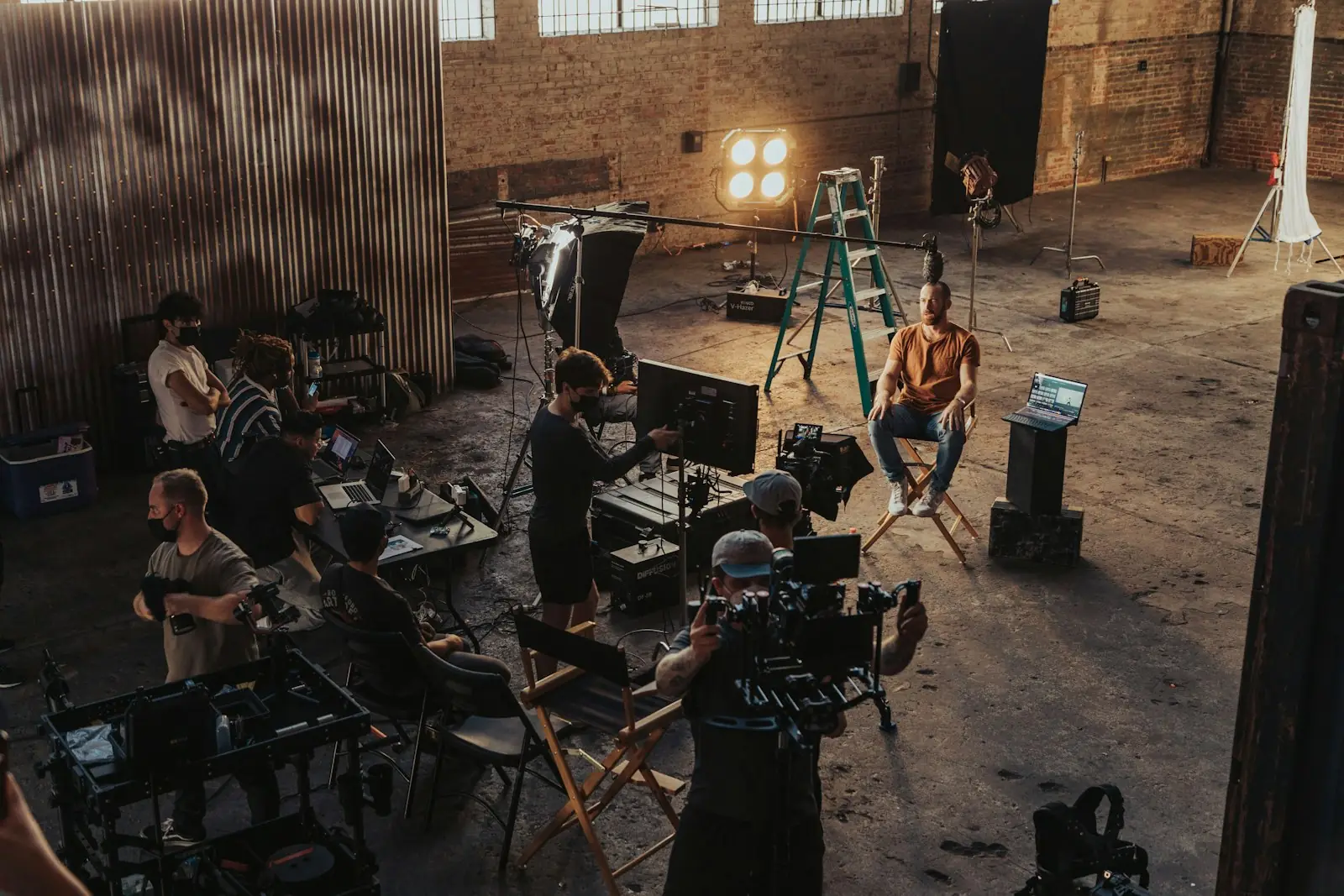
For brands, the answer to that question is becoming more and more valuable. As AI makes content cheap to produce, what is cheap loses its value. What is valuable is what's hard to imitate: the real faces of your team, the real light in your workshop, a customer's real reaction the first time they open the product. These are the kinds of trust signals no tool can reproduce exactly.
That doesn't mean staying away from AI altogether. In developing ideas, drafting copy, editing and colour grading or cleaning up backgrounds, these tools save a great deal of time. What matters is that the core of the content that represents the brand stays real, and that anything generated is honestly disclosed.
Transparency is the key word here. Using an AI-generated scene in a campaign is not a problem in itself; the problem is presenting it as real. People are far more forgiving towards brands that are honest with them. Some brands even make it part of their story by openly showing how they use AI as a creative tool.
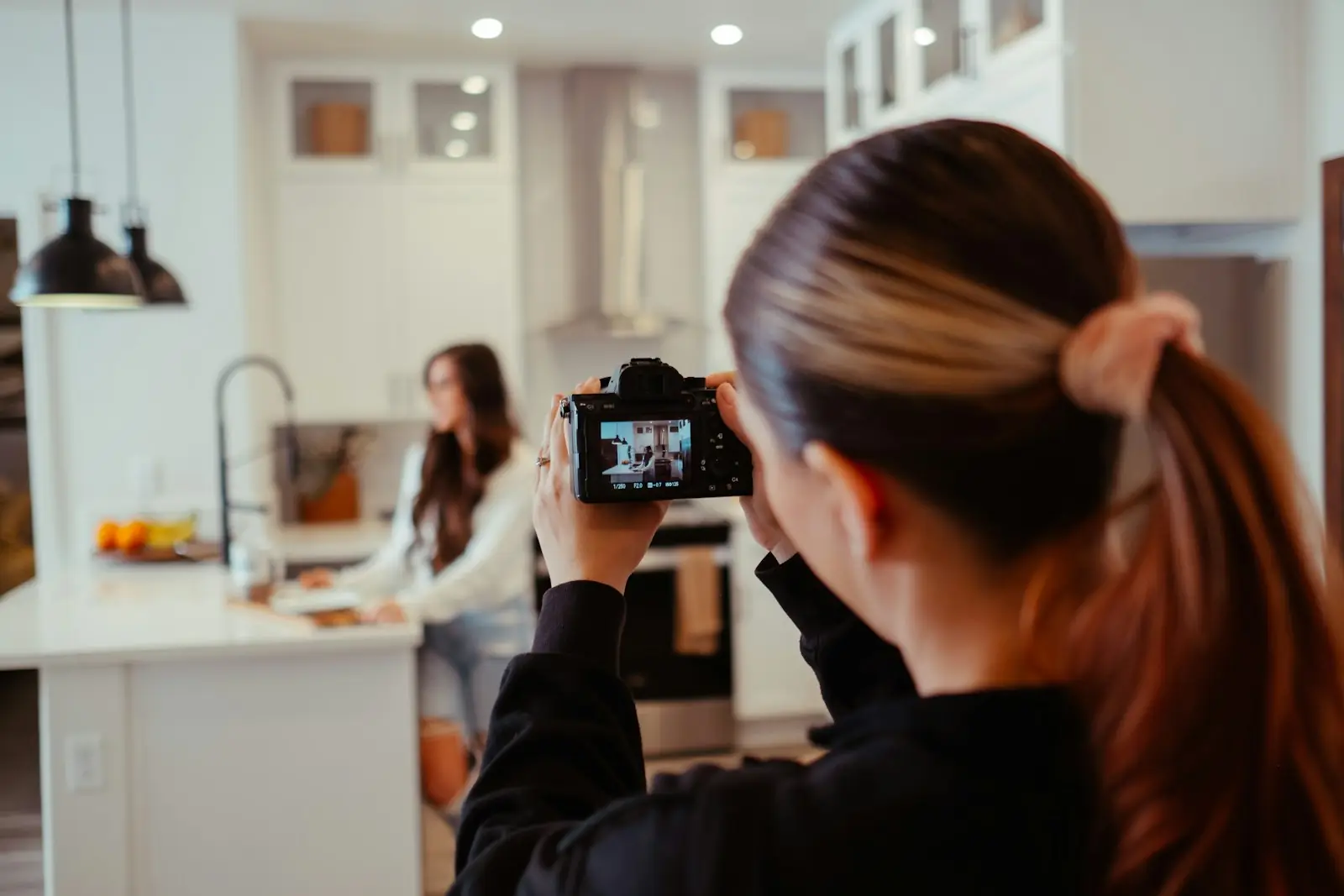
What does this look like in practice? Basing product images on a real shoot and using AI only for retouching and variations. Featuring people from your team or your customers in campaign videos instead of fictional characters. Making more room for behind-the-scenes content, because the answer to “how did you make this?” is often the content that gets the most engagement.
Then there is consistency. Accounts that post a glossy AI-generated image one day and a blurry phone photo the next don't inspire trust. A brand needs a visual language of its own, and that language should be built on real shoots. AI should serve that language, not replace it.
Small businesses actually have a big advantage here. Unlike large brands, their story is already made of real people: a craftsperson who loves their work, a café owner who knows customers by name, a founder who packs every product by hand. When that sincerity is captured well, it can be more memorable than the most expensive AI campaign.
Instagram's labelling decision is probably just the beginning. Other platforms are expected to take similar steps, and people are expected to become more selective about generated content. In this environment, the brands that stand out won't be the ones producing the most content, but the ones producing the most believable content.
That is exactly why at Apex Kreatif we plan our content shoots in real places with real people and use AI as a tool that speeds up the process. If you want your feed to give a clear answer to “is this real?”, let's talk.